How to Prepare Packaging Workflows for Holiday Artwork Pressure



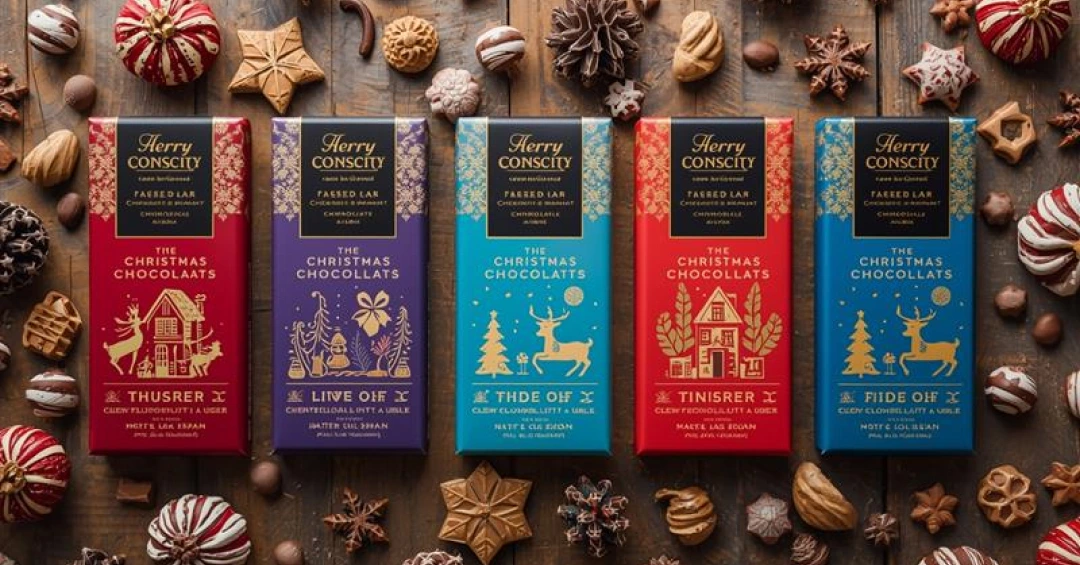


Holiday packaging is rarely just a visual refresh. For many brands, it involves limited-edition products, seasonal flavors, or temporary SKUs introduced alongside core lines. These launches bring new ingredients, updated claims, revised nutrition or composition details, and market-specific declarations that must be placed correctly within existing packaging layouts. What appears externally as a festive variation often represents a separate artwork cycle operating under tighter timelines.
As these seasonal products move through packaging teams, the pressure shows up in familiar ways. Without workflows designed for seasonal load, teams spend valuable time tracking versions, reconciling changes, and confirming compliance rather than progressing packaging artwork with confidence.
Holiday packaging behaves differently not because the changes are dramatic, but because reuse, variation, and time pressure collide. That combination is what places everyday workflows under strain.
Seasonal and holiday launches introduce a level of overlap that most everyday packaging workflows are not designed to handle. Limited-edition products often run alongside core SKUs, reusing layouts, dielines, and base copy while still requiring changes to ingredients, claims, or regulatory declarations. Teams are rarely working on a single artwork in isolation. They are managing multiple related versions that must stay aligned under tight timelines.
As these versions move forward in parallel, the challenge shifts from making changes to keeping them controlled. Reused files accumulate product-specific edits, and teams spend time confirming which version is current, which changes apply where, and whether reviews have already been completed. Holiday packaging exposes gaps in version control, visibility, and coordination, turning routine updates into a source of delay and uncertainty.
Seasonal packaging pressure builds when key decisions are left until artwork volume is already high. To stay in control, preparation should happen before files start moving. The aim is to remove uncertainty early, so seasonal artwork can progress quickly without introducing errors or delays.
A clear way to prepare for seasonal volume:
When preparation is done upfront, holiday packaging moves through workflows with far fewer interruptions — even under tight timelines.
Seasonal and holiday packaging becomes easier to manage when artwork is handled within a dedicated packaging artwork management system. Instead of relying on manual coordination, teams can work in a single environment designed for parallel versions, overlapping reviews, and frequent changes.
With a system like ManageArtworks, seasonal work feels more controlled:
By bringing artwork, copy, approvals, and compliance into one system, seasonal packaging shifts from constant coordination to controlled execution. Holiday launches become easier to manage, even when volume and variation peak.
Holiday packaging acts as a stress test for packaging workflows. It does not introduce entirely new problems, but it amplifies existing ones. Teams that prepare for seasonal complexity emerge with clearer workflows, stronger controls, and better visibility, not just for the holidays, but year-round.
By treating seasonal launches as a planning challenge rather than a speed challenge, packaging teams can absorb variation without disruption. With packaging artwork management systems like ManageArtworks in place, holiday pressure becomes a manageable, repeatable process, allowing teams to deliver limited-edition packaging with confidence instead of last-minute uncertainty.

.webp)