Packaging Trends to Watch in 2026



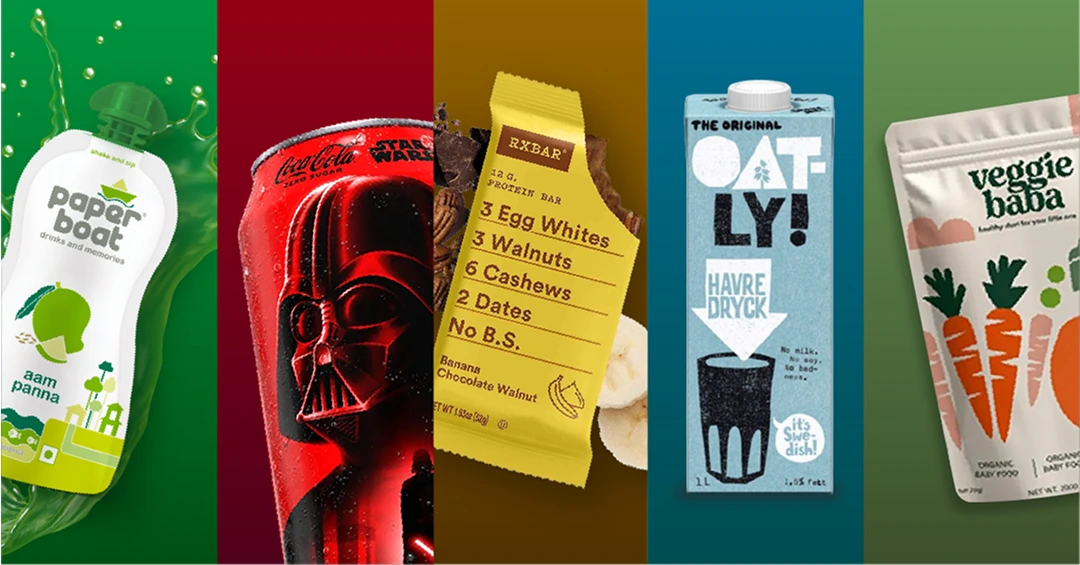


Packaging in 2026 is not about louder colors or more claims on pack. It’s about precision in messaging, relevance, compliance, and execution. As brands race to stay culturally current while navigating tighter regulations and faster launches, packaging is becoming a strategic function rather than a final design step.
Here are the key packaging trends expected to shape 2026 and what they really mean for brands behind the scenes.
Sustainable packaging has moved from being a competitive advantage to a baseline expectation. In 2026, brands are expected to communicate sustainability clearly, accurately, and responsibly without exaggeration or ambiguity.
This shift increases pressure on packaging teams. Sustainability claims, symbols, and certifications must align precisely with material choices and regional regulations. Even small inconsistencies between what a pack claims and what it delivers can trigger regulatory scrutiny or accusations of greenwashing. As sustainability messaging evolves frequently, managing updates without introducing errors becomes a critical challenge.
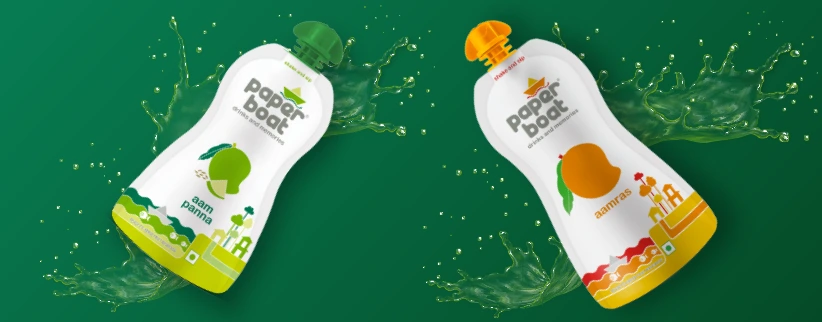
Limited editions are no longer tied to festivals or seasonal campaigns. Brands are launching collaborations, influencer-led packs, and micro-collections continuously, turning packaging into a fast-moving marketing asset.
This trend significantly increases artwork volume and frequency of change. Short lifecycles leave little room for rework, and similar-looking variants can easily lead to copy being reused incorrectly. Without clear visibility into versions and approvals, speed can come at the cost of accuracy.
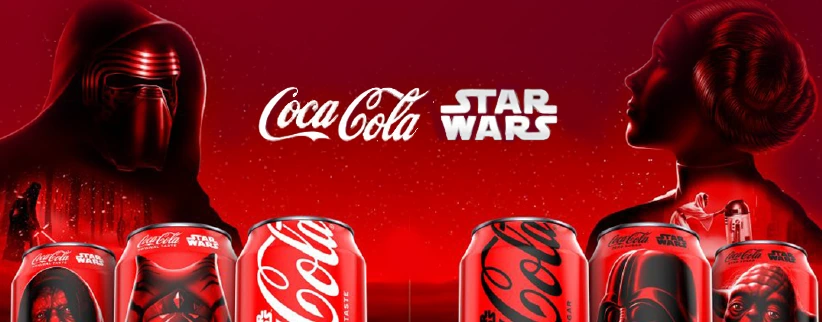
Minimalist packaging continues to dominate in 2026, driven by the need for clarity and consumer trust. Brands are stripping packs down to essential information, focusing on hierarchy, readability, and intent.
However, cleaner layouts raise the stakes. With fewer visual elements, every word, number, and symbol carries more weight. Errors become more visible, and mandatory information has less room to hide. This makes precision in artwork creation and review processes more important than ever.
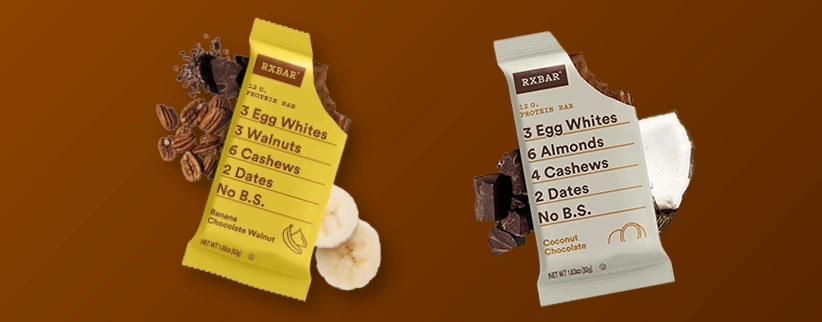
Packaging is increasingly being used to convey emotion, brand values, and purpose in subtle ways. Short narratives, thoughtful micro-copy, and carefully chosen language help brands create moments of connection at shelf.
From an execution perspective, storytelling must remain consistent across SKUs, formats, and updates. When storytelling elements change frequently or differ across markets, maintaining alignment without losing control becomes a complex task—especially in regulated industries.
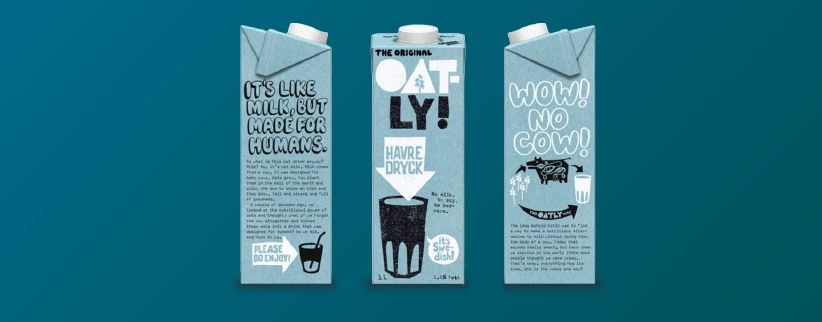
AI is becoming a tool for early-stage packaging ideation and creative direction. In 2026, brands are using AI to explore visual styles, layout directions, and design territories faster—helping teams converge on a creative route without prolonged back-and-forth.
Once a direction is defined, the real work begins. AI-assisted concepts still need to be translated into accurate, compliant artwork across formats, SKUs, and markets. As AI speeds up creative exploration, brands must ensure that downstream execution remains controlled, consistent, and accountable so, creative acceleration does not introduce risk at print.
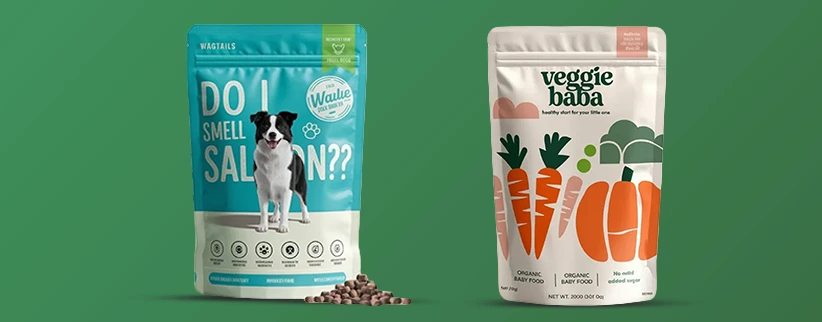
Across sustainability, speed, simplicity, storytelling, and AI, one reality stands out: packaging complexity is increasing while tolerance for mistakes is shrinking.
Brands must balance:
This is why structured artwork governance is becoming a necessity rather than a support function. Platforms like ManageArtworks help brands manage packaging complexity without slowing innovation.

.webp)