Scaling Product Lines? Here’s How to Keep Multi-Market Packaging Compliance Under Control



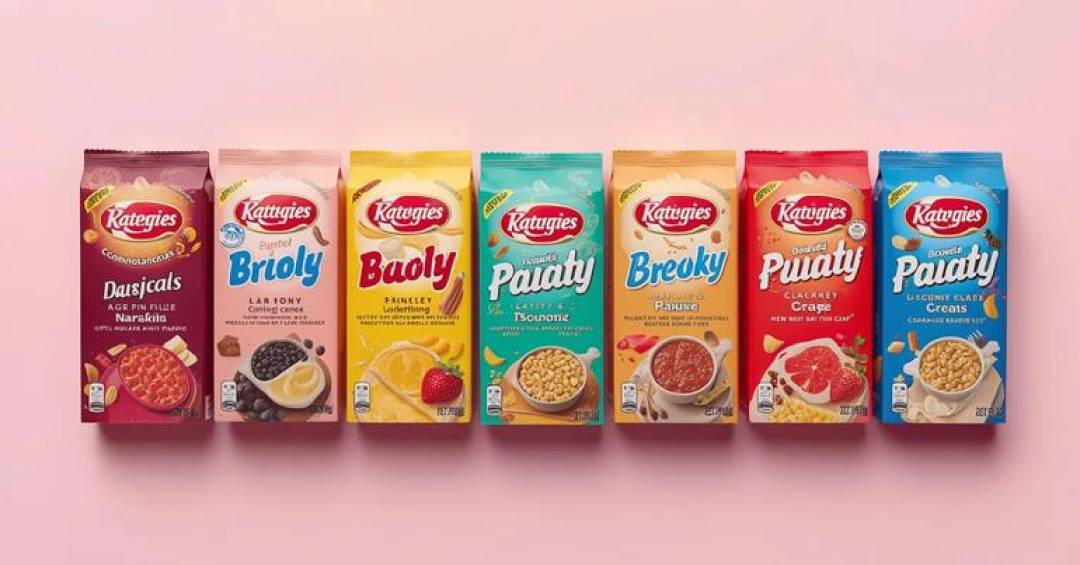


As brands grow, their packaging operations grow with them. What starts as a handful of SKUs quickly expands into multiple variants, seasonal editions, market-specific versions, and language adaptations. Suddenly, every launch feels heavier than the last. Each new region brings its own set of labeling regulations, and each of them must be interpreted, validated, and checked every time a new artwork is created.
It’s no surprise that teams begin to feel the strain. And when teams are caught between fast launch cycles and expanding regulatory obligations, manual processes start cracking at the edges.
What typically catches teams off guard isn’t just the number of artworks, it’s how every update sends ripple effects across versions:
None of these look like major errors at first glance, but they compound fast and without a structured system to keep these versions aligned, small discrepancies turn into recurring gaps in the workflow.
When these gaps surface inside everyday workflows, timelines quietly begin to slip. A correction found late forces earlier stages to reopen, and artworks cycle through review loops not because of design changes, but because each region interprets compliance differently. Issues that could have been aligned upfront only appear at the end, exactly when they cost the most time.
At scale, these aren’t just process hiccups — they’re signals that traditional methods can’t support the speed or multi-market complexity of modern launches.
AI is reshaping packaging compliance by taking over the parts of the review process that are too repetitive or detail-heavy for teams to manage reliably at scale. Instead of comparing artworks and requirements manually, AI can validate each version with consistent precision — identifying gaps early and helping teams stay aligned as portfolios and regions expand.
ManageArtworks enables this through its AI-powered compliance module, ComplAI. It goes beyond basics to evaluate artworks against the regulatory requirements of the markets they’re intended for — from PDP-specific rules (like panel hierarchy, minimum sizes, and placement) to statement wording, formatting, claim restrictions, and mandatory elements. By centralizing these checks into a single system, ComplAI reduces the need for manual comparisons, parallel trackers, and repeated region-by-region reviews, giving teams a clearer and more dependable way to manage multi-market compliance.
For growing brands, it’s the difference between managing complexity and staying ahead of it.
As brands expand into new regions and manage a growing number of variants, the challenge isn’t just the volume of artworks—it’s the complexity of keeping every version aligned to the rules that apply to it. Multi-market compliance introduces layers of nuance that manual checks and scattered workflows struggle to keep up with. What teams need is not more effort, but a more reliable way to interpret and validate regulatory requirements across markets.
ComplAI gives them exactly that. By evaluating artworks against market-specific rules and surfacing inconsistencies early, it adds a level of clarity and control that traditional processes can’t provide. It strengthens existing artwork workflows, reduces the risk of misalignment, and helps teams move faster without compromising accuracy. It makes it easier for brands to expand confidently, even as labeling compliance requirements grow more complex.
TL;DR: Scaling into new markets introduces more versions, more rules, and more room for gaps. AI improves how compliance is managed, and ComplAI embeds that capability directly into artwork workflows.

.webp)