The Shift in Pack Shot Creation for Modern Packaging Teams


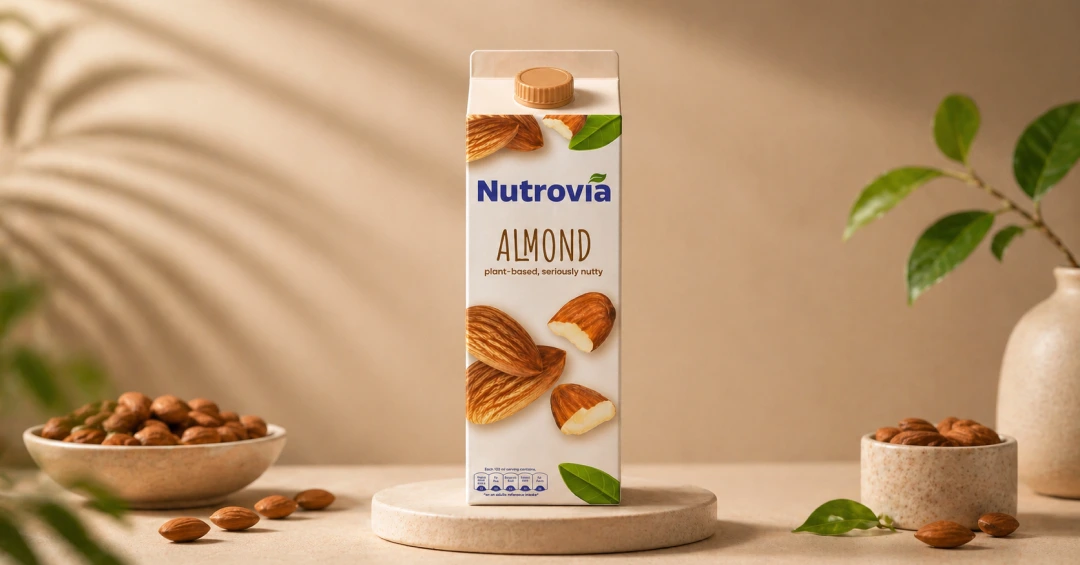


Packaging doesn’t stop at print anymore.
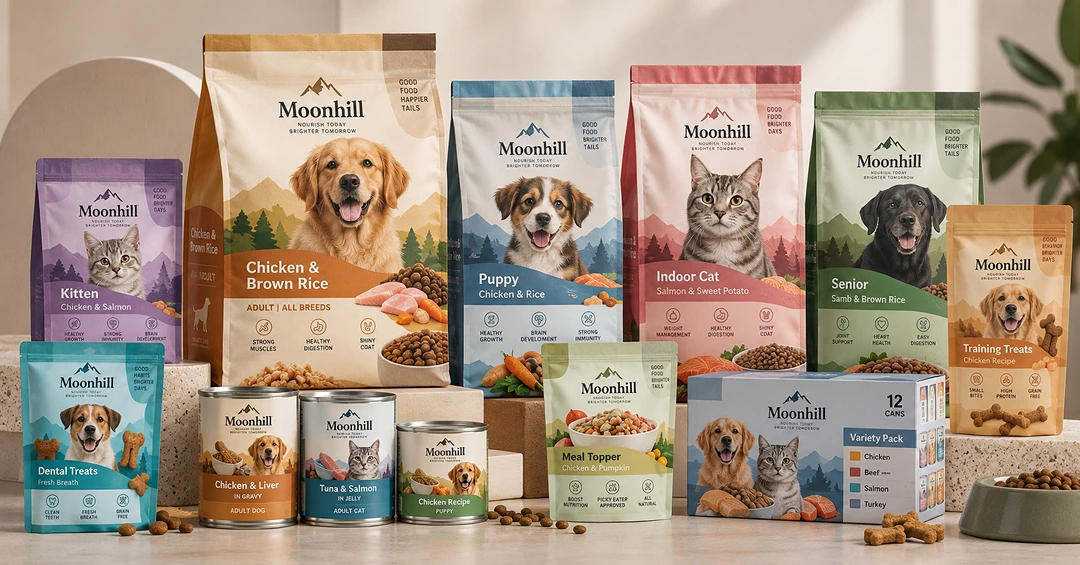
Once packaging artwork is approved and sent for print, the next set of requirements begins, creating product packaging visuals for ecommerce listings, quick commerce platforms, and marketing campaigns.
These visuals can no longer be a post-production step. They are expected much earlier in the process, often before the product is even manufactured.
For brands managing multiple SKUs and fast-moving launches, this creates a clear pressure point. Marketing timelines move faster than production cycles, and teams need pack shots ready alongside packaging.
Product photoshoots have long been the standard for pack shot creation. While they deliver quality, they come with operational challenges.
They depend on physical samples, studio availability, and coordination across teams. Any delay in packaging readiness pushes the shoot further out.
More importantly, packaging is rarely final on the first pass. A last-minute artwork change or regulatory update can quickly make existing pack shots outdated.
This often leads to reshoots, edits, or workarounds—adding cost and slowing down go-to-market timelines.
To move faster, many teams are turning to AI-generated pack shots. While these can produce visually appealing outputs, they often lack a direct link to final packaging files. This introduces a new kind of risk: pack shots that look okay on the surface but don’t reflect the actual product.

Pack shots are not just creative assets; they represent the final product in the market. Especially in ecommerce environments, product packaging images directly influence customer expectations and purchase decisions.
When pack shots don’t match the actual packaging, the impact shows up across teams:
This gap becomes more visible as teams scale across SKUs and markets.
The issue isn’t how fast pack shots are created; it’s whether they are grounded in actual packaging.
To keep up with current demands, pack shot creation needs to move closer to the packaging process itself, rather than being treated as a separate, downstream activity.
Instead of creating visuals in isolation, teams need to generate them from the same source as their packaging. This means:
This approach allows teams to create accurate 3D pack shots early in the workflow, without introducing rework later.
With ManageArtworks, teams can manage dielines, packaging artwork, approvals, and pack shot creation within a centralized system.
Using 3D visualization, pack shots can be generated in seconds and viewed in 360 degrees, making them readily usable across ecommerce, marketing, and internal workflows. When artwork changes, updates can be applied to existing 3D prototypes, allowing teams to regenerate pack shots without starting over or relying on reshoots.
This ensures that product pack shots remain consistent, up to date, and aligned across ecommerce, marketing, and internal workflows.
As brands expand across ecommerce and digital channels, the demand for pack shots continues to grow. Managing multiple SKUs, frequent updates, and cross-functional workflows requires a more connected approach to how product visuals are created. When pack shot creation is built into packaging workflows, teams can maintain accuracy, consistency, and speed, ensuring that product representation stays aligned across every channel.

Because ecommerce and marketing timelines demand product visuals earlier, often before manufacturing begins, requiring pack shots alongside packaging development.
They rely on physical samples and coordination, making them slow, costly, and prone to reshoots when packaging changes occur.
It centralizes artwork, dielines, and 3D visualization, allowing teams to generate accurate pack shots quickly and keep them updated without reshoots.

.webp)