Why Artwork Management Systems Matter During Large-Scale Change





In consumer goods industries, packaging rarely remains unchanged for long. Regulatory updates, product portfolio expansions, sustainability initiatives, and market expansions often require companies to update packaging across hundreds or even thousands of SKUs. When these changes occur at scale, managing packaging artwork becomes one of the most complex operational challenges organizations face.
Every packaging change requires coordination across multiple stakeholders from regulatory affairs, quality assurance, marketing, design teams, and packaging development to external partners such as agencies or printers. Each team contributes different elements to the packaging, from regulatory text and compliance statements to visual design and production specifications. Without a structured system to manage these updates, even routine changes can quickly become difficult to control.
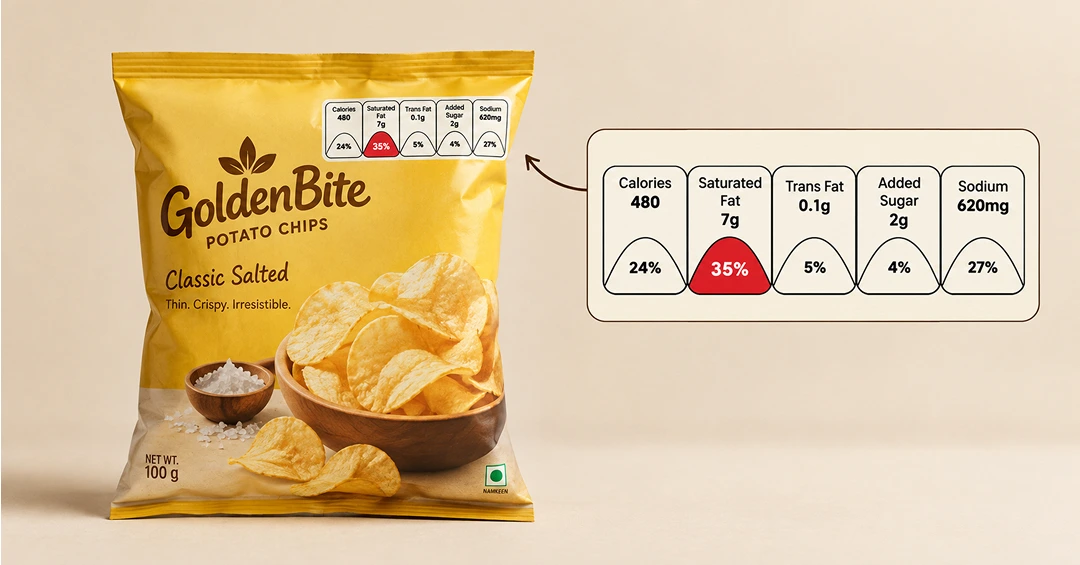
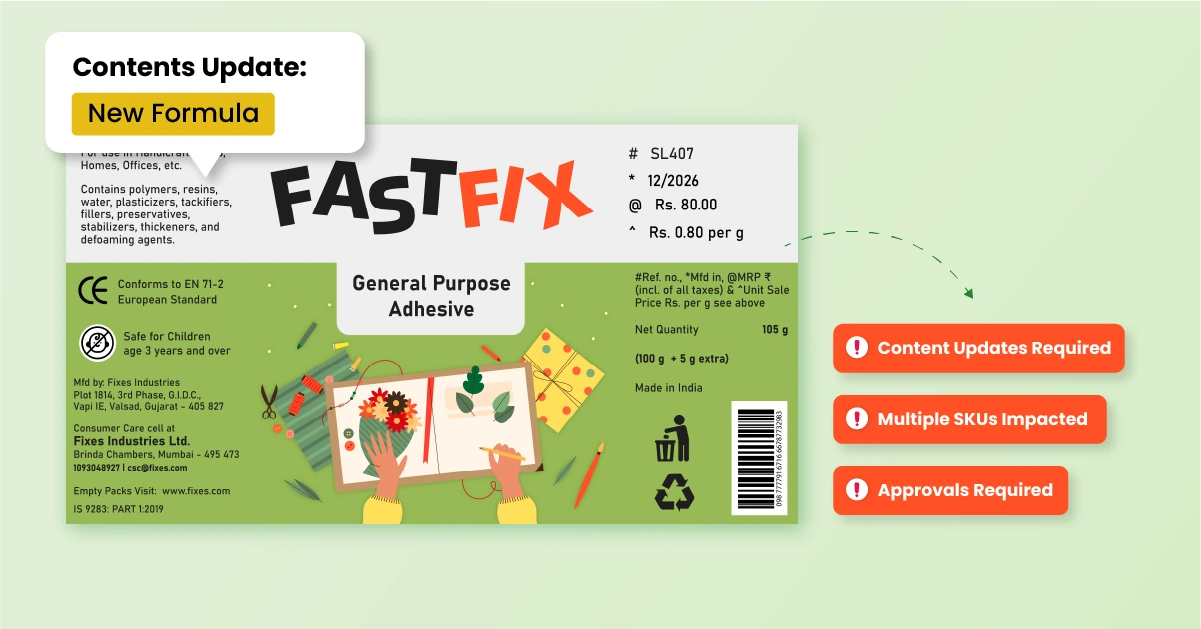
Large-scale packaging changes rarely involve a single update. Instead, they often trigger a chain reaction across multiple packaging components and teams. For example, a regulatory change might require updates to ingredient declarations, warning statements, nutritional information, or mandatory labeling formats. If a company operates across several regions, these updates may also need to be translated or adapted to different regulatory frameworks.
In many organizations, artwork processes are still managed through a mix of emails, spreadsheets, shared folders, and manual checklists. While these approaches may work for small updates, they become increasingly fragile when packaging changes affect large product portfolios.
Common challenges during large-scale updates include:
When these issues occur across hundreds of SKUs simultaneously, the operational impact can be significant.
Many companies underestimate how vulnerable manual artwork processes are during periods of rapid change. As packaging updates increase, gaps in coordination become more likely, making it harder to track versions, align approvals, and confirm which artwork is ready for production.
In regulated industries, these gaps can lead to compliance issues, product recalls, or costly delays. Even when caught early, rework and repeated approval cycles create significant operational disruption.
Artwork management systems address this packaging complexity by bringing artwork creation, review, approval, and release into a centralized environment. Instead of scattered files and fragmented communication, updates move in a clear, trackable workflow.
Teams work with the right version at every stage, while approvals happen in the right sequence. This shifts artwork management from individual coordination to a system-driven process where ownership and progress are always visible.
Tools like ManageArtworks build on this with Proofing & Comparison, and AI-driven checks such as ComplAI, helping teams identify changes quickly, reduce rework, and manage large-scale updates more accurately.
During large-scale change, maintaining visibility and control across multiple SKUs, teams, and approvals becomes critical. ManageArtworks helps organizations bring control and predictability to these transitions and execute packaging updates more efficiently.
This was evident for Eclectic Products, a U.S. manufacturer, during a regulatory-driven formulation change affecting a key product line. With a banned chemical requiring a complete formula update, the team had to replace hundreds of packaging artworks across multiple variants and global markets while operating with a small team.
With ManageArtworks, they were able to manage this surge through a structured workflow, track versions accurately, and move artwork forward without relying on constant manual coordination. As a result, they were able to process significantly more artwork in one year than they typically would in several, without compromising accuracy or control.
Large-scale packaging changes are becoming more frequent. Preparing for this shift means having the right systems in place before the complexity starts to scale.
With ManageArtworks, packaging operations move from being reactive to structured and repeatable. Teams can handle ongoing updates without losing visibility, reworking files, or slowing down approvals, even as complexity increases.
This shift is what allows organizations to keep pace with change, instead of constantly reacting to it.

Version confusion, approval delays, outdated files in production, and potential compliance issues are common risks.
By adopting structured artwork management systems early, teams can handle ongoing updates without disruptions or repeated rework.
It provides structured workflows, version tracking, and tools like proofing and AI checks to manage updates efficiently.

.webp)