Beyond the Green Dot: What FSSAI's Vegan Logo Means for Indian Food Brands



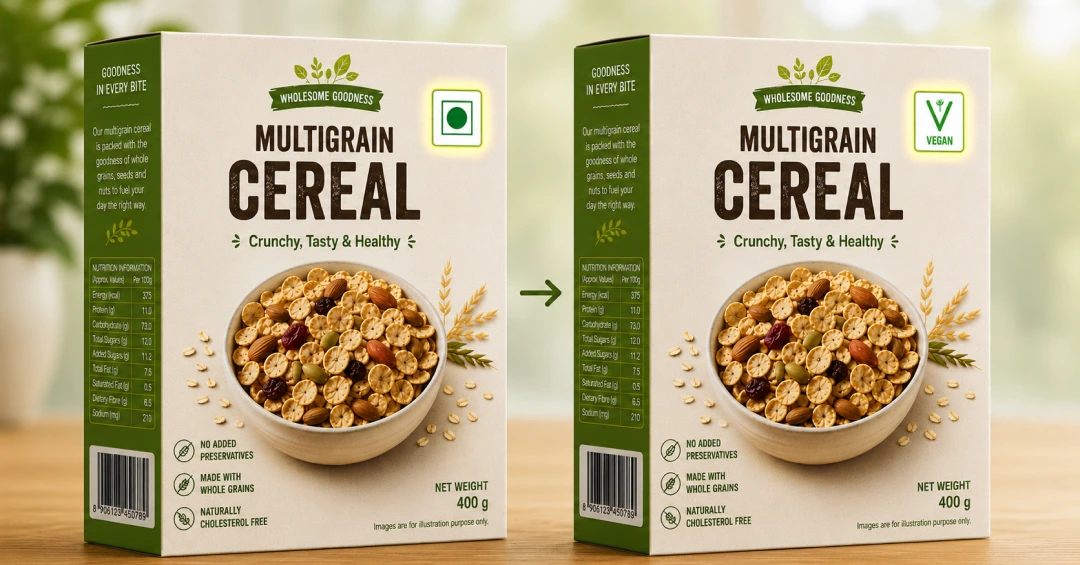


For decades, Indian consumers have relied on two familiar symbols while shopping for packaged foods, the green dot for vegetarian products and the brown dot for non-vegetarian ones. The system is simple, instantly recognizable, and has long served as the foundation of food labeling in India.
But consumer preferences are evolving. As demand for vegan products grows, FSSAI has introduced a new visual identifier that goes beyond the traditional vegetarian classification. Through the Food Safety and Standards (Vegan Foods) Amendment Regulations, 2026, approved vegan food products will be required to carry a standardized vegan logo from July 1, 2027.
While it may seem like a minor packaging update, the amendment is much bigger than a new symbol. It formally recognizes vegan foods as a distinct regulatory category, bringing new compliance requirements for food manufacturers.
For years, the green dot has indicated that a product is vegetarian. But vegetarian and vegan are not the same.
A product can display the green dot while still containing milk, cheese, butter, ghee, whey, honey, or other animal-derived ingredients. These products remain vegetarian but do not qualify as vegan. As plant-based diets become more common, the existing labeling system no longer provides enough information for consumers looking specifically for vegan products.
The new vegan logo addresses this gap by making compliant products easier to identify at a glance.
The 2026 amendment builds on FSSAI's existing Vegan Foods Regulations by introducing a mandatory logo for approved vegan products. Alongside the symbol, the regulations reinforce what qualifies as vegan under Indian food law.
To be considered vegan, a food product must not contain ingredients, additives, flavourings, enzymes, or processing aids derived from animals. Manufacturers are also expected to take measures to prevent cross-contamination during production, storage, and handling.
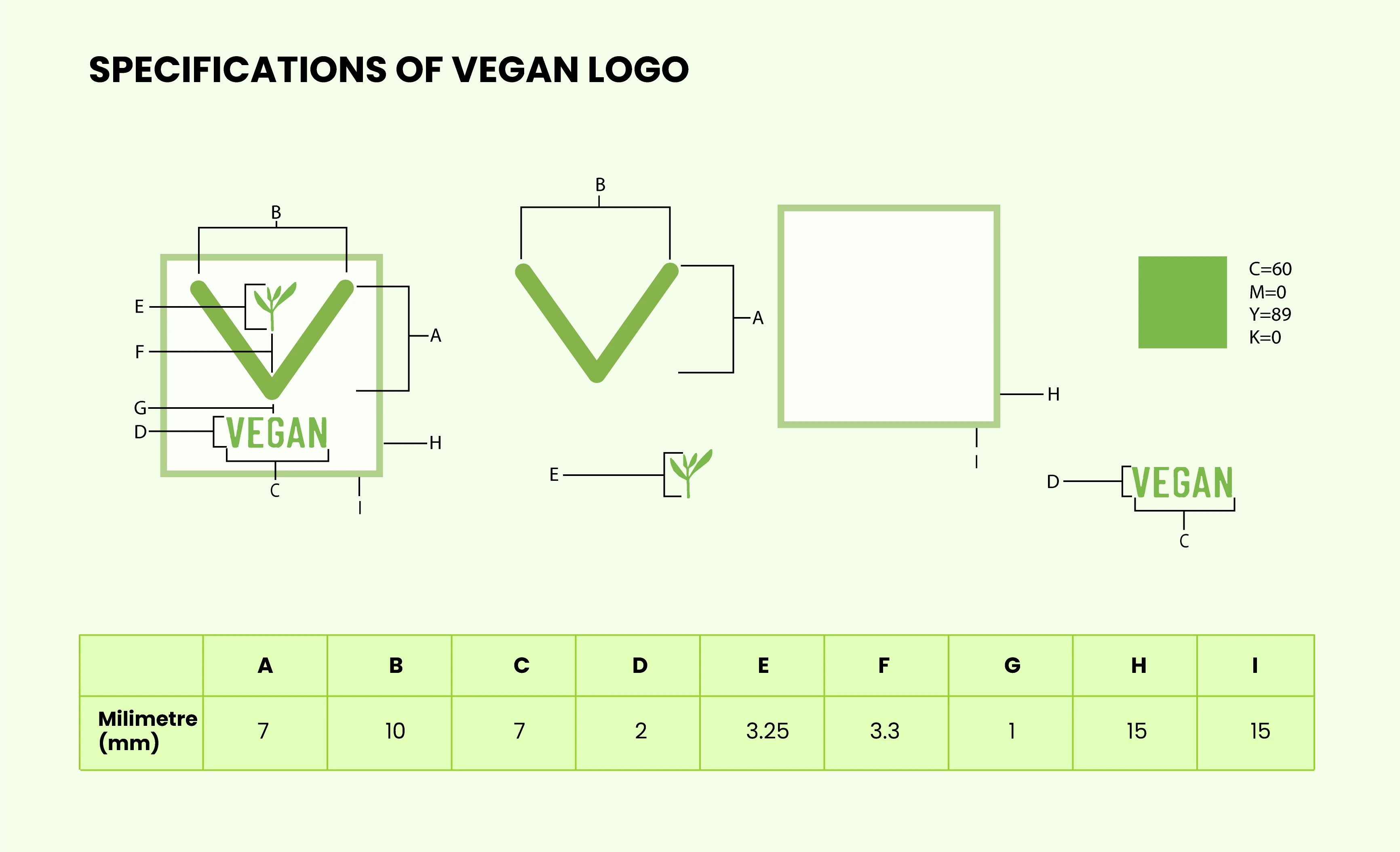
This means the logo is not simply a marketing claim—it indicates that the product meets a defined regulatory standard.
For brands, compliance begins long before packaging is updated. The first step is determining which products actually meet FSSAI's definition of vegan. That may involve reviewing formulations, validating suppliers, and confirming manufacturing practices before a product becomes eligible to carry the logo.
Once products are identified, the operational work begins. Packaging teams must locate every affected SKU, update artwork, manage approvals, maintain version control, and ensure only compliant designs move to print. For businesses managing hundreds or thousands of packaging variants, even a single regulatory amendment can quickly become a large-scale artwork update.
The vegan logo is unlikely to be the last major change to food packaging. As regulations continue to evolve, brands can expect more claim-specific requirements, greater transparency, and increasingly detailed labeling standards.
Preparing for these changes is no longer just about understanding the regulation. It's about having processes that allow packaging updates to be implemented quickly and accurately across every product and market.
Every new regulation eventually translates into packaging updates. Whether it's a new logo, revised claims, or mandatory declarations, brands need a reliable way to identify affected artworks, coordinate reviews, and maintain compliance across their product portfolio.
A centralized artwork management system helps streamline this process by bringing packaging content, approvals, and version control into one place. As labeling requirements become more specific, having structured artwork workflows can make regulatory updates faster, more consistent, and far less prone to errors.
The vegan logo may be a small addition to food packaging, but it signals a broader shift in India's food labeling landscape. For brands, adapting successfully will depend not just on understanding the regulation, but on executing every packaging change with confidence.

The new vegan logo is a standardized symbol introduced under the Food Safety and Standards (Vegan Foods) Amendment Regulations, 2026. From July 1, 2027, approved vegan food products must display this logo on their packaging.
No. The logo represents compliance with FSSAI's regulatory requirements for vegan foods. Products must satisfy the prescribed criteria before they can display the symbol.
A centralized artwork management system can help brands identify affected packaging, manage approvals, maintain version control, and streamline packaging updates while reducing the risk of compliance errors.

.webp)