



Client Overview
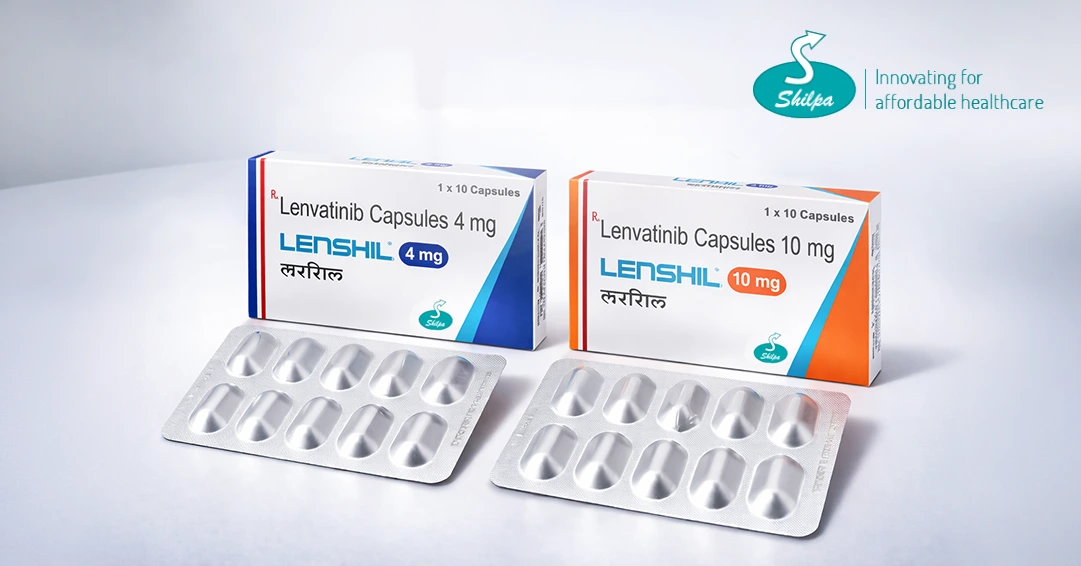
Shilpa Medicare Limited is a leading Indian pharmaceutical organization specializing in oncology APIs, complex formulations, injectables, biologics, and contract manufacturing services. With a strong presence in regulated markets including the United States and Europe, the company operates in an environment where labeling accuracy, traceability, and regulatory alignment are critical.
Given the complexity of its product portfolio and global market exposure, Shilpa Medicare requires a highly controlled and structured approach to packaging artwork management. The association with ManageArtworks has been a long-term collaboration focused on establishing governance, improving coordination, and strengthening compliance oversight across the artwork lifecycle.
The Challenge
Prior to implementing a structured artwork management system, artwork coordination relied heavily on manual processes. Files were shared through email, progress was tracked in spreadsheets, and approvals moved sequentially across departments without centralized visibility. As multiple stakeholders including Packaging Development, Regulatory Affairs, Production, and Quality Assurance were involved in each cycle, this approach created bottlenecks and extended turnaround times.
Cross-location approvals further compounded delays. In instances where QA review occurred at a different plant, documentation required manual sharing and coordination, increasing the approval cycle duration. The absence of a centralized repository also meant that version control depended on individual tracking, raising the risk of inconsistencies.
Operating across regulated markets introduced additional complexity and the need for a scalable, controlled, and transparent artwork management system became increasingly critical.
The ManageArtworks Solution
To address these challenges, Shilpa Medicare implemented ManageArtworks to centralize and standardize its artwork lifecycle. The system established a clearly defined workflow covering initiation, review, approval, revision, and release.
Artwork development now follows a structured sequence bFeginning with Packaging Development, followed by Regulatory review, Production review, and final QA approval before release to printing. Each stage is governed by predefined roles and permissions, ensuring accountability and controlled access.
A key enhancement to the review process was the adoption of advanced artwork comparison functionality. Text deviation detection, color differentiation analysis, pixel-level comparison, pharmacode verification, and master file comparison capabilities significantly strengthened quality control. These tools enable teams to identify unintended changes efficiently and validate artwork consistency before final approval.
By centralizing artwork files and approvals within a single platform, the organization established a reliable source of truth supported by complete audit trails.
Adoption & Usage
Adoption across departments was steady following implementation, supported by a structured workflow. Specific user roles were established across functions, including Production Reviewers, QA Approvers, Regulatory Reviewers, and Packaging Designers. Structured access controls ensured that only authorized personnel could modify or approve artwork files, reinforcing governance standards.
Despite the specialized nature of artwork management systems, adoption across departments was steady. The defined workflow provided clarity on responsibilities, enabling users to follow a consistent and transparent process. Centralized tracking reduced dependency on manual follow-ups and improved coordination between teams.
Over time, the system has evolved in alignment with the organization’s growth. As new product lines and additional requirements have emerged, workflows have been expanded and refined accordingly. System upgrades have been incorporated to enhance functionality, ensuring continued relevance in a dynamic regulatory environment.
Ongoing support and regular system optimization have contributed to sustained adoption and operational stability.
Overall Impact
The transition from manual coordination to a structured artwork management system has delivered measurable operational improvements. To date, thousands of artwork and approval workflows have been initiated and completed within the system. Most notably, approval timelines, particularly in cross-location scenarios, were reduced by an estimated 20–30%. This acceleration has contributed to improved turnaround times and greater predictability in packaging release schedules. Real-time visibility into artwork status has strengthened cross-functional alignment, minimized bottlenecks, and improved accountability.
The availability of consolidated documentation and audit trails has also enhanced preparedness for regulatory reviews. As the organization continues to expand its portfolio and operate across regulated markets, the established artwork governance provides scalability, compliance assurance, and process consistency.
Through this long-term collaboration, Shilpa Medicare has strengthened its control over packaging artwork management, ensuring that operational efficiency and regulatory compliance remain aligned with its global growth strategy.



.webp)